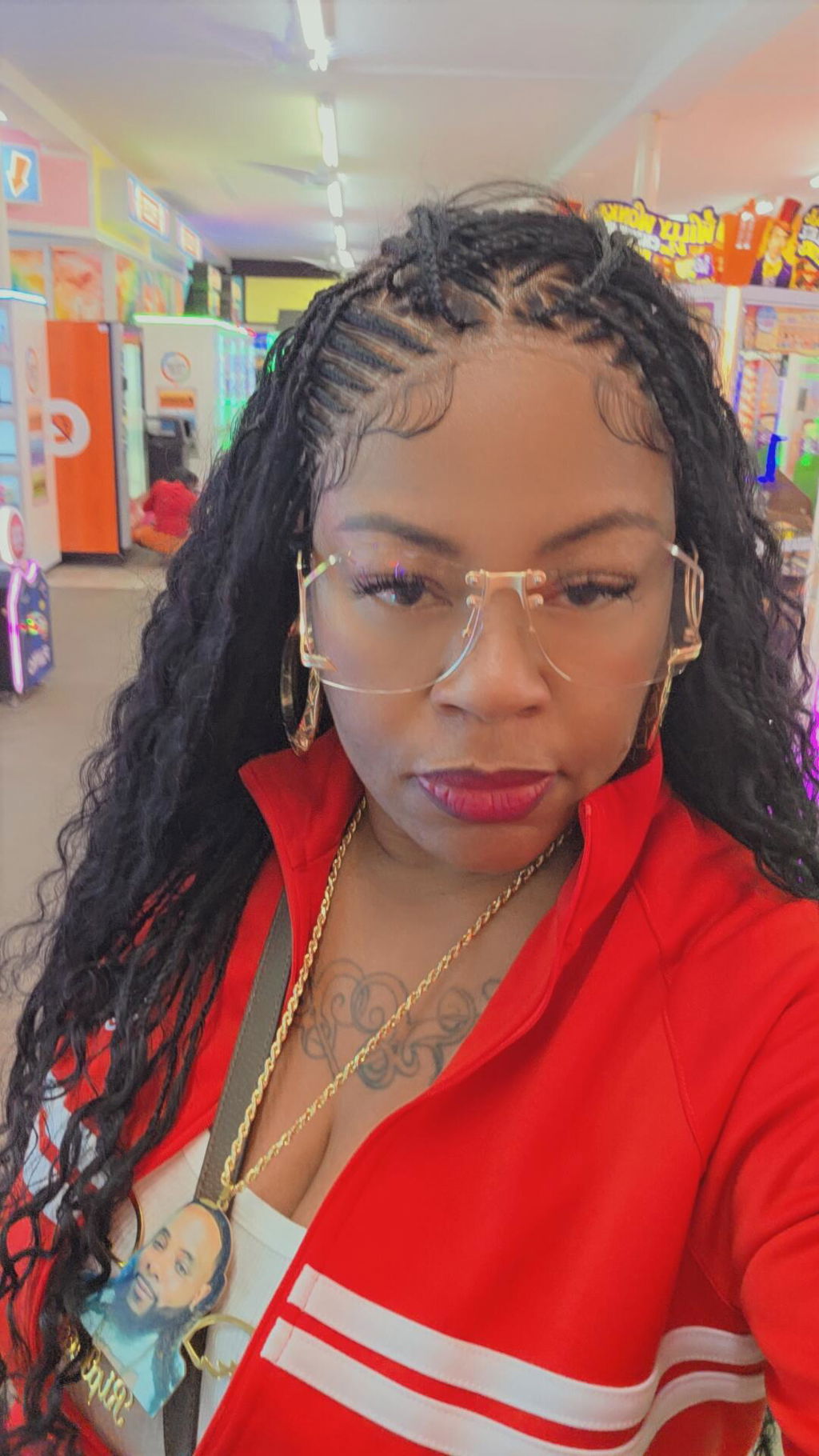
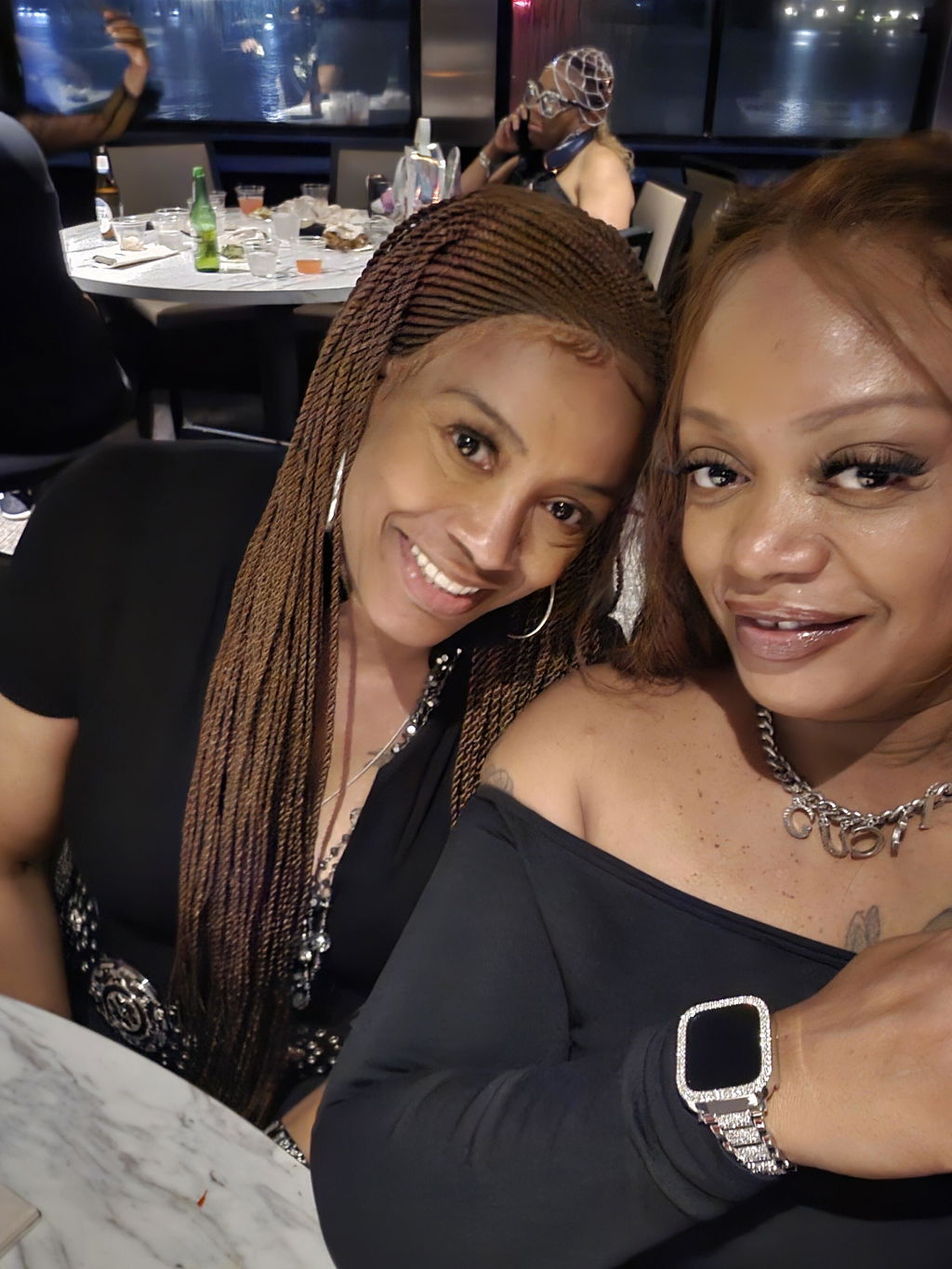
Need To Know: The Difference Between Locs and Dreadlocks
Last updated: January 5, 2026
Many people use “locs” and “dreadlocks” as if they mean two totally different things. In reality, they often describe the same hairstyle, but the words can land differently depending on culture, community, and personal preference.
If you’re trying to understand the difference, the most important thing to know is this: it’s not just about how the hair looks. It’s also about meaning, history, and respect. This guide breaks it down simply so you know what to say, what to avoid, and how to talk about the style accurately.
Quick Answer
“Locs” and “dreadlocks” usually describe the same rope-like, intentionally matted or cultivated hairstyle, but the language and cultural context are different. Many people prefer locs because they’re neutral and respectful, while “dreadlocks” can carry stigma or misunderstanding in Western culture. You can achieve the look in multiple ways, including protective styles and loc wigs.
Locs vs Dreadlocks
For the most straightforward comparison, start here. The terms can overlap, but these are the most common differences you’ll hear depending on who’s using the language.
| Locs | Dreadlocks | |
|---|---|---|
| Formation method | Often started intentionally (coils, twists, braids, palm-rolling, interlocking). | Sometimes used to describe freeform/natural locking, but the term varies across communities and can also refer to intentionally started locks. |
| Maintenance | Often maintained on a schedule (retwists, palm-rolling, interlocking), depending on the look you want. | Can be minimal manipulation (freeform) or maintained similarly to locs. Maintenance varies by wearer and tradition. |
| Appearance over time | Can look very uniform and polished, or intentionally organic, depending on upkeep. | Often described as more organic or freeform in look, but can also be uniform depending on how they’re formed and maintained. |
| Cultural/identity context | Commonly used within Black hair culture as a personal, cultural, and/or protective style choice. | Used across multiple cultures and eras; in some contexts tied to spiritual or cultural identity (for example, within Rastafarian communities), but often misunderstood in Western settings. |
| Common misconceptions | “Locs are always neat,” or “locs are a trend.” | “Dreads are dirty,” or “dreads are careless.” |
| Best for (lifestyle) | People who want a long-term style they can shape (polished to semi-freeform). | People who want a lower-manipulation, more organic aesthetic (and who are mindful of language and context). |
Note: Many people use these terms interchangeably. The biggest difference is often the word choice and the meaning attached to it.
What Are Locs?
Locs are hair sections that gradually lock into rope-like strands over time. You can start them in several intentional ways and maintain them to look polished and uniform or more natural and organic, depending on your preference and routine.
Common ways locs are started
• Comb coils
• Two-strand twists
• Braids
• Palm-rolling
• Interlocking (often used for maintenance, and sometimes used as a starter method)
Maintenance basics (light and general)
• Keep the scalp clean and avoid heavy product buildup.
• Moisturize lightly (think: hydration without residue).
• Protect at night (a satin scarf or bonnet helps reduce lint and frizz).
• Pick a maintenance approach that matches your goal: frequent retwists usually create a cleaner, more “set” look, while minimal manipulation leans more organic.
What Are Dreadlocks?
“Dreadlocks” has been used across different cultures and eras to describe hair that has locked into rope-like sections. In modern conversations, the term is also associated with specific spiritual and cultural traditions, including Rastafarian communities (where locs can represent faith, identity, and separation from certain mainstream standards).
Why the term can be sensitive
In Western culture, “dread” has often been linked to stigma and negative stereotypes about cleanliness, professionalism, or “messiness.” That’s why some people prefer not to use the term casually.
Why do some people prefer “locs.”
Locs is widely considered a more neutral, respectful term, especially when discussing Black hair and protective styling culture.
Key Differences (Simple and Clear)
These differences show up in real life, but they’re not hard rules.
-
Intentional formation vs natural formation (without absolutes)
Many people use “locs” when the style is intentionally started and maintained, while “dreadlocks” is sometimes used to describe more freeform/natural locking. But plenty of people intentionally maintain their “dreadlocks,” too, so context matters. -
Maintenance differences (what’s usually implied)
“Locs” often imply scheduled upkeep (retwist or interlock). “Dreadlocks” is sometimes used for a lower-manipulation approach, but not always. -
Visual differences (root, uniformity, frizz pattern)
• Roots: regular retwists/interlocking often create a cleaner root appearance, while minimal manipulation creates a more blended, natural root look.
• Uniformity: maintained locs often look more consistent in size and parting; freeform styles often have more variation.
• Frizz: Frizz is normal in locking hair. More manipulation can make frizz look more “managed,” while less manipulation can look more textured and organic. -
Terminology preference (community-dependent)
Some communities use both words interchangeably. Others strongly prefer locs because it avoids stigma and centers respect.
Micro-clarifiers (so we don’t spread myths)
• Locs can be clean and well-maintained. The style itself is not “dirty.”
• “Dreadlocks” isn’t automatically wrong, but it can be loaded. Preference matters.
Which Term Should You Use?
If you’re talking about someone else’s hair, this is the respectful approach:
• Follow the wearer’s preference. If she calls them locs, call them locs.
• Context matters. Some people use “dreadlocks” within a specific cultural or spiritual frame.
• Avoid assumptions. Don’t assume someone’s beliefs, hygiene, or lifestyle based on how their locs look.
When in doubt: “locs” is the safest default.
Want the Loc Look Without the Commitment?
If you love the look of locs but are not ready to permanently loc your natural hair, a loc wig gives you the flexibility to enjoy the style and remove it whenever you choose.
Our locs wigs are handmade and available in several styles.
Need something sooner? Browse our current Ready-to-Ship collection. These completed units ship within three business days, but available styles, cap sizes and specifications change as individual units sell.
Prefer Braids?
If you prefer the look of braids, explore our Knotless Box Braid Wig, our number-one bestseller, or the Bohemian Knotless Box Braid Wig, finished with soft, loose curls.
Ordering timelines
Ships within three business days
Custom standard processing: 4–5 weeks
Express processing: 2–3 weeks (+$100 per unit)
FAQs
-
Are locs and dreadlocks the same thing?
They can be. Both terms describe hair that has locked into rope-like sections, but the difference often comes down to language preference and the cultural meanings attached to the words. -
Why do some people say “dreadlocks” is offensive?
“Dread” has often been used in Western culture to stereotype the style as scary, dirty, or unkempt. Many people prefer “locs” because it’s more neutral and respectful. -
Do locs have spiritual meaning?
They can. Some people wear locs for spiritual or religious reasons, while others wear them for personal style, cultural identity, convenience, or protective styling. -
How long does it take to start locs?
Starter locs can be created in one appointment, but the locking/maturing process usually takes several months to a year or more. Timing depends on hair texture, density, the starting method, and how you maintain them. -
What’s the difference between faux locs and goddess locs?
Both are loc-inspired styles, but they differ in texture and finish. Faux locs tend to look more uniform and “loc-like,” while goddess locs often include a softer, wavier look. For the full breakdown, Faux locs vs goddess locs -
Can you get locs with straight hair?
Some hair textures lock more easily than others, and the process can look different depending on your hair type and the method you use. If you’re considering locs outside of Black hair culture, it’s worth learning the history and being mindful of the cultural weight the style can carry. -
How do you keep locs moisturized?
A simple, consistent routine helps: gentle cleansing, light hydration (without heavy buildup), and nighttime protection (satin scarf/bonnet). The goal is moisture without residue. -
What’s the easiest way to try locs without locking your natural hair?
A loc wig is the fastest option. You get the look immediately, you can switch it up anytime, and you don’t have to alter your natural hair.
Related reads
A Beginner’s Guide To Putting On and Wearing a Wig
https://www.instantarewahair.com/blogs/news/a-beginner-s-guide-to-putting-on-and-wearing-a-wig
Tips for Making Your Wig Look Like Your Natural Hair
https://www.instantarewahair.com/blogs/news/tips-for-making-your-wig-look-like-your-natural-hair
Styling Your Edges with Wigs To Look Seamless and Natural
https://www.instantarewahair.com/blogs/news/styling-your-edges-with-wigs-to-look-seamless-and-natural